

6mm tinted glass price
Understanding Pilot Operated Check Valves Pilot operated check valves are essential components in hydraulic systems, providing a robust solution for controlling the flow and preventing backflow. These valves combine the features of a standard check valve with those of a pilot control mechanism, enhancing their functionality and application in various industries. This article explores the operation, advantages, and applications of pilot operated check valves. Operation Principle A pilot operated check valve consists of two main parts the main valve and the pilot valve. The main valve is responsible for allowing fluid flow in one direction while preventing any reverse flow. The pilot valve, on the other hand, is controlled by external signals and modifies the conditions under which the main valve operates. When the system is pressurized in the desired flow direction, the pilot valve opens, allowing the pressure to act on the area beneath the main valve disc, keeping it in an open position. This design allows for normal operation, where fluid flows through the valve with minimal resistance. However, if the flow attempts to reverse, the pressure drops, and the pilot valve closes, allowing the main valve to shut and preventing backflow. This unique operation ensures that the system maintains its integrity and operates efficiently under various conditions. Advantages of Pilot Operated Check Valves 1. Minimal Pressure Drop One of the key benefits of pilot operated check valves is their low pressure drop across the valve. Traditional check valves can exhibit higher pressure drops due to their simpler design, which can impede performance in hydraulic circuits. In contrast, pilot operated check valves maintain a smooth flow path during operation, thus optimizing system efficiency. 2. Enhanced Control The ability to control the pilot valve externally means operators can dictate specific operational parameters more precisely. This enhances control over the hydraulic system, allowing it to respond effectively to varying demands and operating conditions. pilot operated check valve 3. Preventing Unwanted Movement In applications where load holding is critical, pilot operated check valves provide reliable protection against unexpected movement . For instance, in hydraulic lifting systems, these valves ensure that a lifted load remains secure in case of a power failure or system malfunction. 4. Versatility Pilot operated check valves are adaptable and can be used in a variety of settings, from construction equipment to industrial machinery. Their versatility makes them a popular choice in industries that require fluid power systems, including manufacturing, automotive, and aerospace. Applications The applications of pilot operated check valves are extensive, spanning a myriad of industries. In mobile equipment, such as excavators and cranes, these valves are crucial for maintaining load stability during operation. They prevent the sudden drop of loads if a hydraulic failure occurs, thereby improving safety and reliability. In stationary hydraulic systems, such as those found in manufacturing plants, pilot operated check valves are used to manage fluid flow in complex piping layouts. Their efficiency helps in reducing energy consumption, making them an integral component in modern hydraulic solutions. Moreover, in the oil and gas industry, these check valves help regulate the flow of fluids in high-pressure environments, ensuring the safe transportation of materials. Their ability to handle high fluid velocities while preventing backflow makes them indispensable in such critical applications. Conclusion Pilot operated check valves offer exceptional control and reliability in hydraulic systems, making them vital components across various industries. Their unique operational mechanism provides numerous advantages, such as minimal pressure drop, enhanced control, and versatility, making them suitable for diverse applications. As industries continue to evolve and demand more efficiency and safety, the role of pilot operated check valves will undoubtedly remain significant in fluid power technology.
about
6mm tinted glass price
The Importance of Steel Bar Caps in Building Construction In the realm of construction, safety and durability are paramount. Among the various components that ensure structural integrity, steel bar caps play a vital role, particularly in reinforced concrete structures. These small yet significant accessories serve multiple purposes that enhance the overall performance of buildings. Steel bar caps, often referred to as rebar caps, are designed to protect exposed ends of reinforcing bars (rebar) in concrete structures. When concrete is poured, it encapsulates the rebar, providing tensile strength to the overall structure. However, there are instances where portions of rebar remain exposed due to design considerations or structural modifications. In such cases, steel bar caps become essential. One of the primary functions of steel bar caps is to ensure safety on construction sites. Exposed rebar can pose serious hazards to workers and pedestrians, leading to injuries from punctures or cuts. The caps cover the sharp ends of the rebar, minimizing the risk of accidents. This is especially crucial in urban environments where construction sites are often adjacent to public pathways and areas frequented by people. steel bar cap in building construction Moreover, steel bar caps contribute to the longevity of the construction. When rebar is left exposed to environmental elements, it can undergo corrosion due to moisture and other environmental factors. This corrosion weakens the rebar, ultimately jeopardizing the structural integrity of the building. By covering the ends of the rebar, steel bar caps provide a protective barrier, significantly reducing the likelihood of rust and deterioration over time. In addition to safety and protection, steel bar caps also serve an aesthetic purpose. In certain architectural designs, visible rebar can detract from the overall appearance of a structure . By using steel bar caps, builders can maintain a clean and polished look, ensuring that the final product aligns with design intent. Furthermore, steel bar caps facilitate compliance with building codes and regulations. Many local and national codes mandate that exposed rebar must be properly capped to ensure safety on construction sites. By adhering to these regulations, contractors can avoid potential fines and legal issues while promoting a culture of safety and diligence. In conclusion, steel bar caps are indispensable in building construction, providing safety, protecting against environmental damage, enhancing aesthetics, and ensuring compliance with regulations. As buildings continue to rise in complexity and scale, the role of these small but essential components will only grow in significance, reinforcing the commitment to both safety and quality in the construction industry.
-

High quality industrial productsagement

High quality industrial products
View Details -

Meet the diverse needs of customers

Meet the diverse needs of customers
View Details -

Strict quality control

Strict quality control
View Details -

Top raw materials

Top raw materials
View Details -

Trusted supplier

Trusted supplier
View Details
Our application
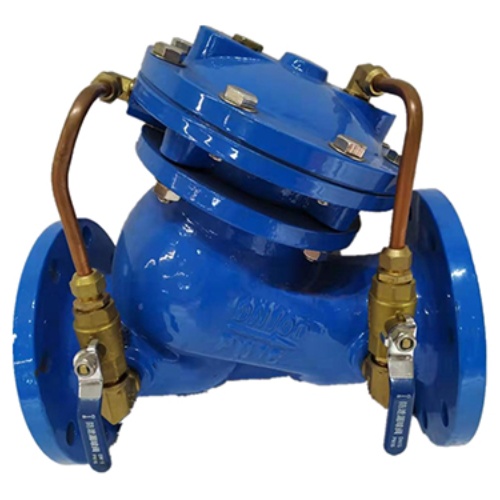


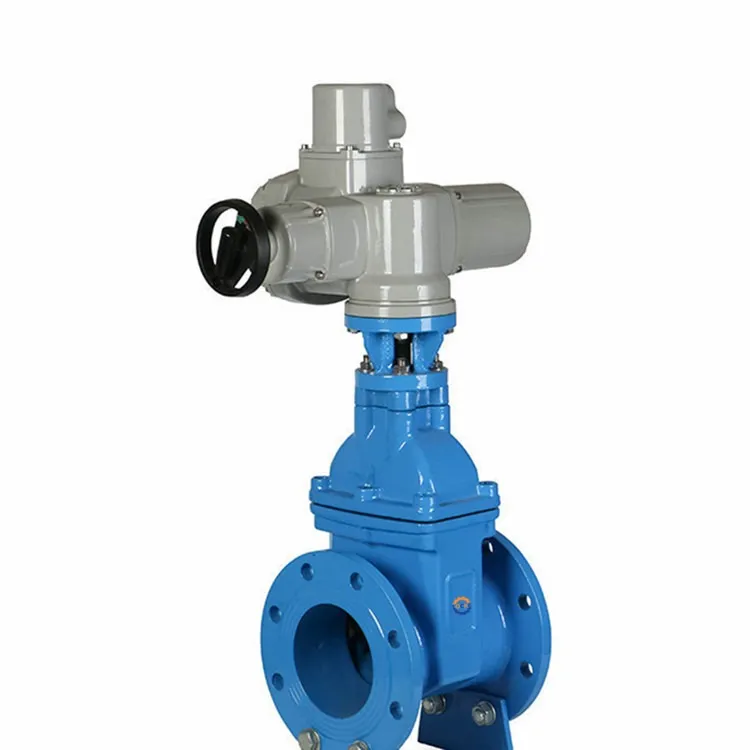
news and information
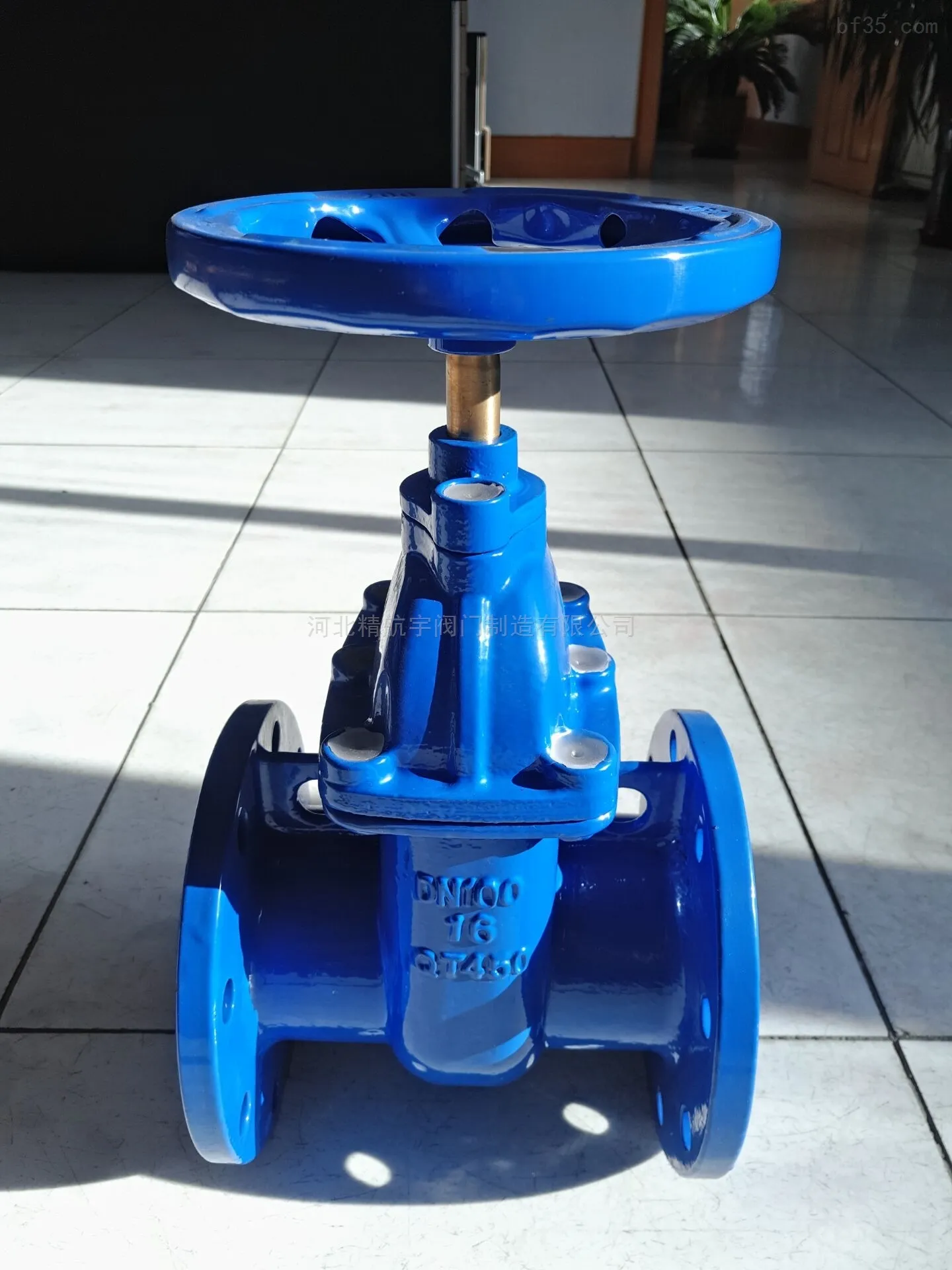
Water Flow Control Valve for Efficient Shut-off Solutions
Understanding Water Shut-off Valves A Guide Water shut-off valves are an essential component in plum
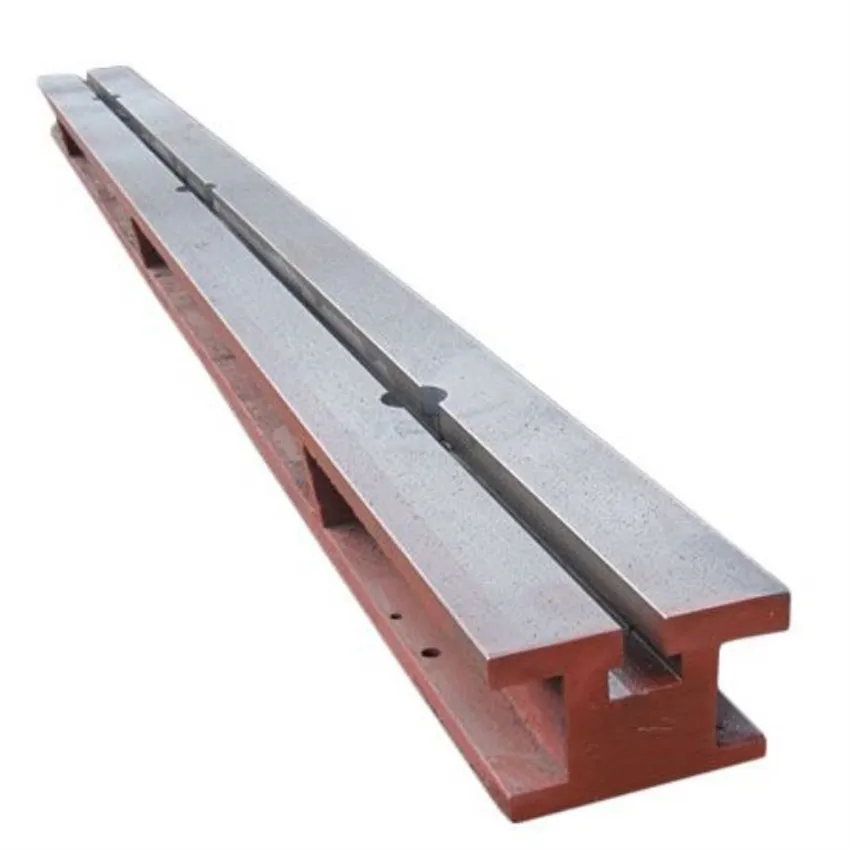
Valvola di ritegno libera
Valvole di Chiusura Un Elemento Fondamentale nelle Infrastrutture Industriali Le valvole di chiusura

Valve Types
Valve types are the unsung heroes in the world of engineering and manufacturing, playing pivotal rol
 English